This 2-day Level 2 paddling course will enhance your paddling skills and advance your whitewater skills. The course aims to deepen your understanding of Level 1 Paddling & River Running skills, and provide practice drills to perfect these skills. We will also review and practice basic swiftwater safety.
These courses will be taught on the Colorado River. To ensure personalized attention, we maintain a 4:1 participant to guide ratio.
A 50% deposit is required when you sign up. The remaining balance will need to be received through 30 days prior to your course. The remaining balance is due immediately if you are registering inside of the 30 day window.
Please review our cancellation policy, which you will find on our Terms, Conditions & Cancellation Policy Page.
You need a whitewater packraft and wet suit or drysuit for this course. You may rent what you need online at Backcountrypackrafts.com. We will provide you with the 10% discount code once you register for the course.
We do not provide food, lodging or transportation. You must have your own vehicle.
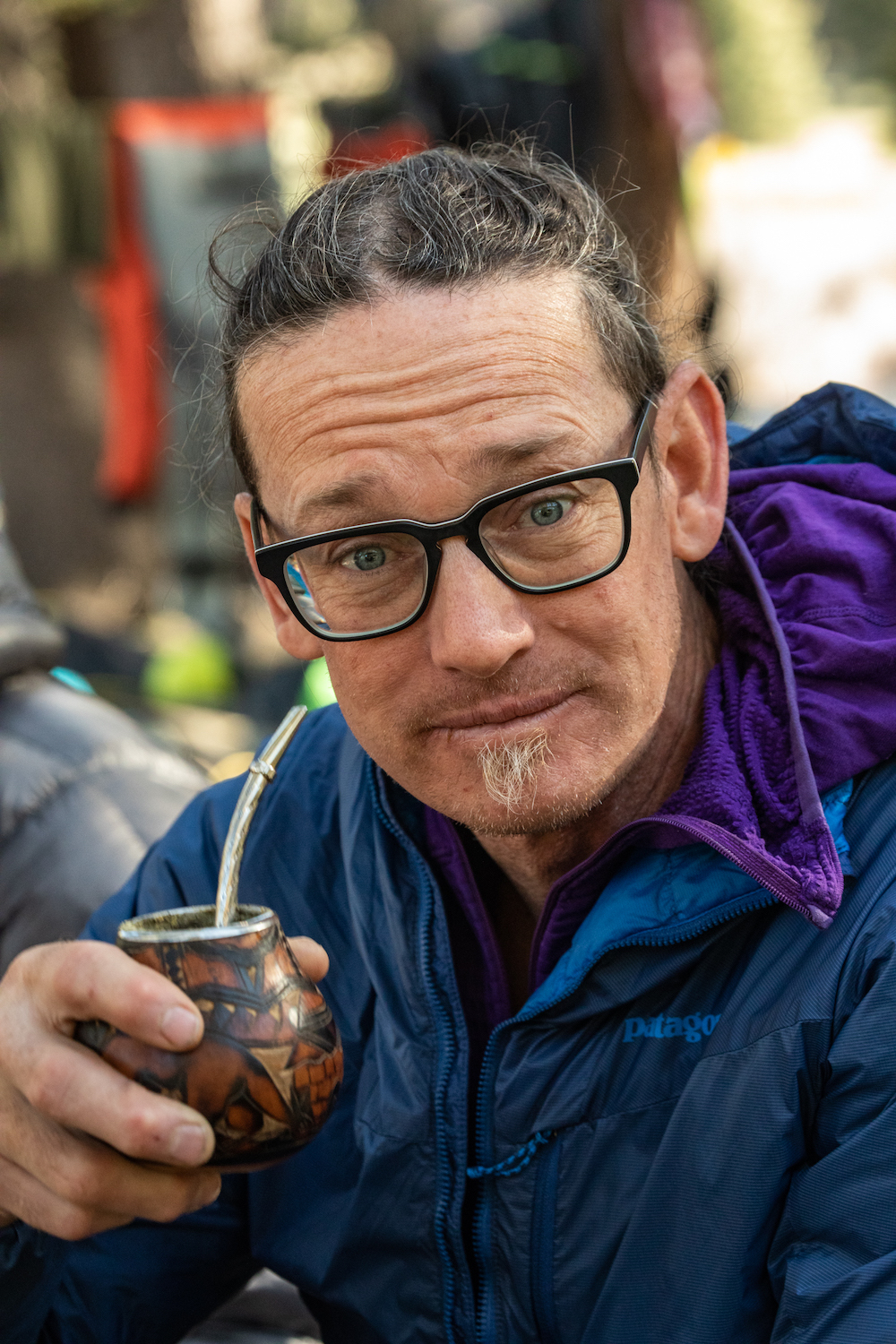
A lifelong lover of outdoor adventure, Landon has been guiding backpacking trips and packrafting avidly since 2021. Getting good instruction early on was instrumental to his love for the sport and skill progression, so he’s excited to pay that forward by teaching courses. Landon enjoys the outdoors in many ways from backcountry skiing and hiking to birding, photo, and video – but a passion for rivers has become a core identity and he spends many days per year enjoying rivers of all kinds.
Please note you may or may not learn all of these skills. It depends on the motivation and existing skill level of participants, along with the length of the course.
✔Equipment (use and care + boat rigging, fit, and release of thigh straps)
✔Posture, safety, comfort, rocking and balance
✔Swimming and general water confidence
✔Self-rescue & buddy assistance
✔Dealing with currents
✔Aggressive & defensive swimming position
✔River hydrology/dynamics, features & hazards
✔Beginner to Intermediate Paddle strokes: Forward, Draw, Sculling draw/brace, Sweep (including stern draw), Reverse sweep, Rudder, Bracing
✔Maneuvers: Spin: boat pivots in place; Draw Stroke to move the boat sideways without headway; Forward: boat goes forward in a reasonably straight line; Turns: boat turns in a broad arc while underway
✔Ferries: Facing downstream (to stop in current and move laterally to avoid hazards) and Facing upstream to move laterally with control
✔Using eddies: Eddy turns, Deep into eddy vs. near eddy line, Peel outs, Deep into current vs. pivot near eddy line, C-turns (eddy turn and peel out from the same side of an eddy), S-turns (eddy turn on one side of an eddy, peeling out from the other side)
✔Surfing
✔River communication: Paddle, hand, and whistle signals
✔Trip planning – 6Ps: Prior Proper Planning Prevents Poor Performance
★Review elements of a float plan (who, what, when, where)
★Sourcing local beta such as river sections, flows, weather conditions, forecasts, etc. (i.e., online groups, guidebooks, websites, apps, businesses, gauges, etc.)
★Local rules, regulations, and permitting requirements
★Shuttle logistics (where do the keys go?)
✔Evaluate current weather conditions, forecasts, and other environmental hazards
✔Field repair-tips & tricks
✔Strategies in running rivers: Spacing, Avoid tunnel vision, Paddle your own route,. Scouting, Portaging, Group organization on the river, Cohesiveness (lead, sweep boats, etc.), Safety boats (group members with repair kits, first aid kits, and first aid and CPR training), Communication and signaling
✔Discuss danger vs. difficulty
✔Responsibilities of the group, rescuer, swimmers
✔Boat-based rescues
✔Group communication
✔Swimming in rivers & water confidence (aggressive & defensive swimming position)
✔Self-rescue & buddy assistance (we re-entry)
✔Rescue priorities: people, craft, paddle, gear
days
hours
minutes
seconds